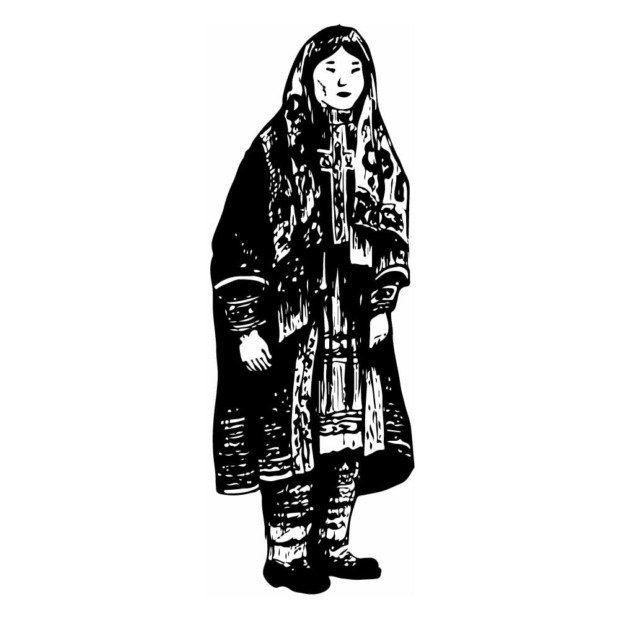
Mansi

inside-new-russia-mansi

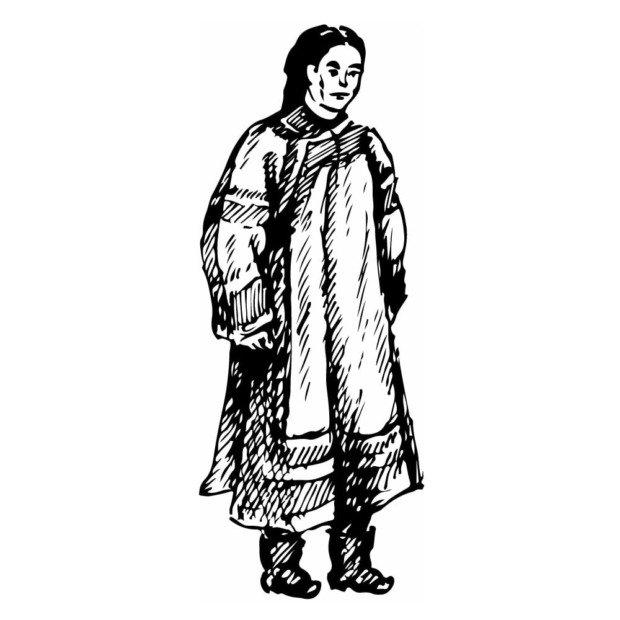
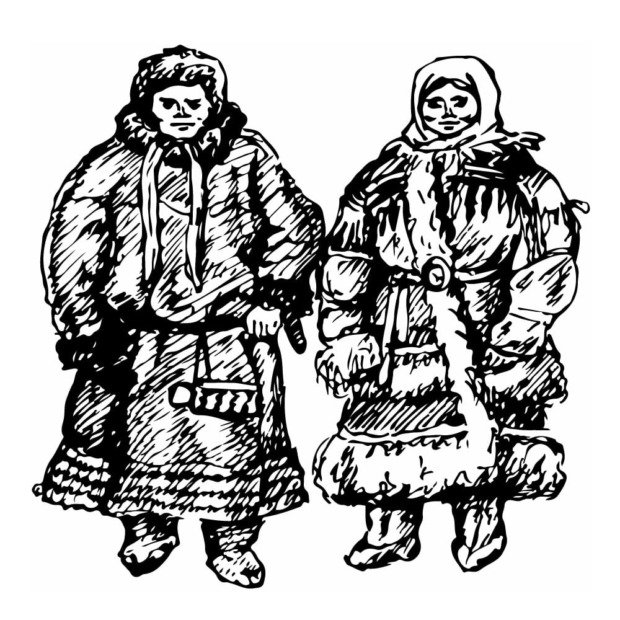
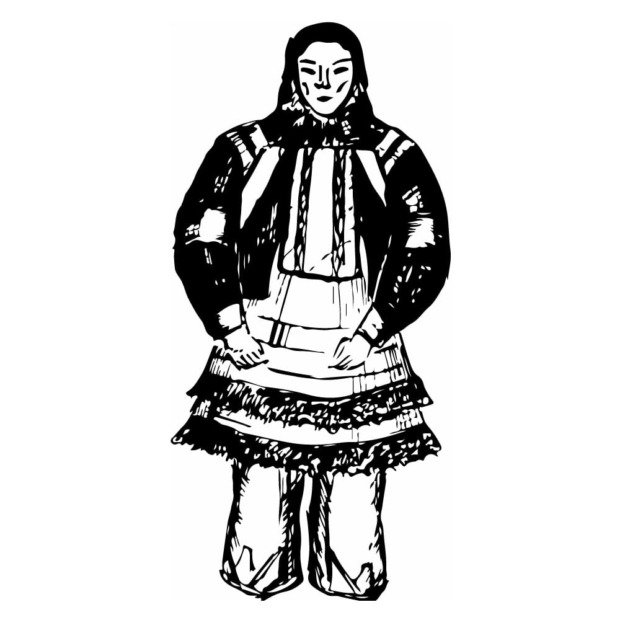
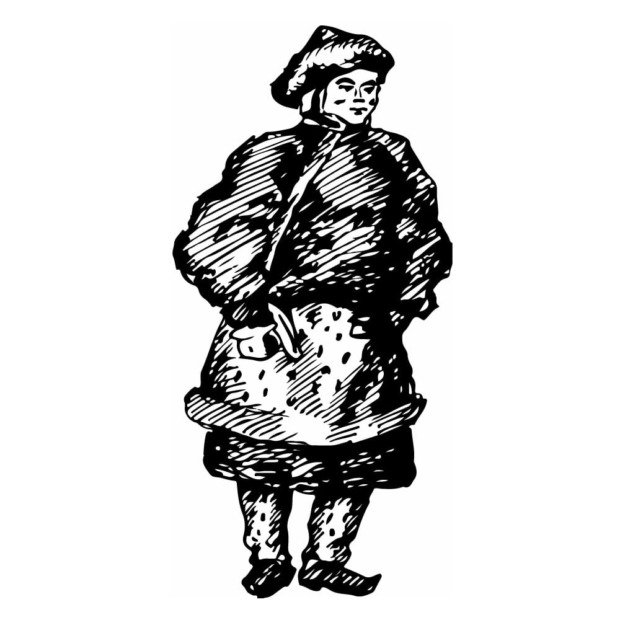
Mansi Mansi Population 8,500 Language group Ob-Ugrian, Finno-Ugrian Language Mansi Region Khant-Mansi National Area of Tiumen Region Religion Christianity, Totemism *Population estimates for 1994 Together with the Khant the Mansi have a common name “the Ob Ugr.” The Mansi had been known before as “Vogul” but some of the Mansi groups were also called the … Read more
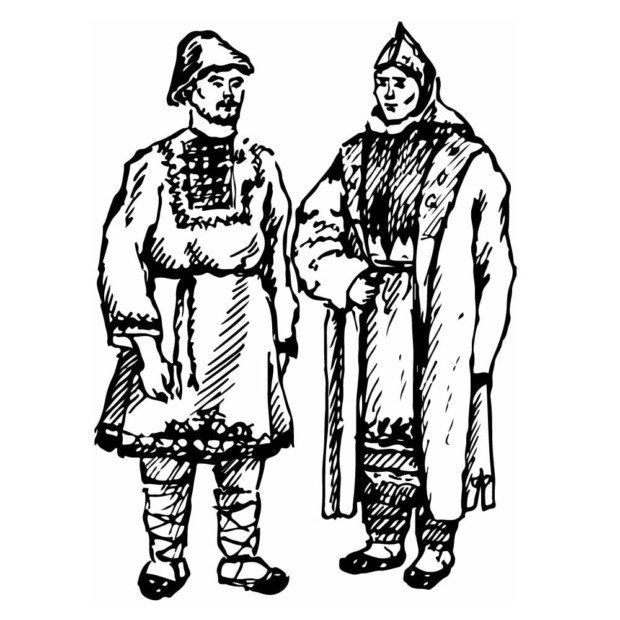
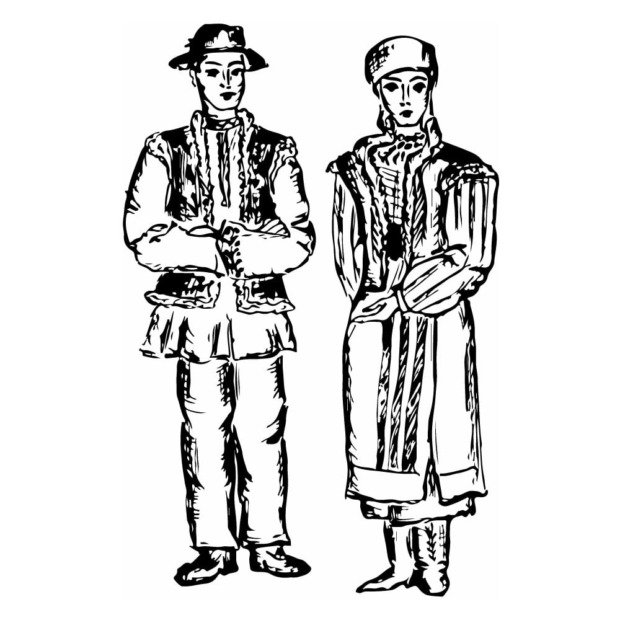
Mari

inside-new-russia-mari

Mari Mari Population 629,000 Language group Finno-Ugrian Language Mari Region The Mari, Bashkir, Udmurt and Tatar Republics Capital Yoshkar-Ola Religion Christianity *Population estimates for 1994 The Mari are tightly connected with the ancient population of the Volga Territories by their descent. The first steps in the formation of the Mari tribes date back as far … Read more

Mishars

Mishars Mishars Population Unavailable Language group Kypchak group of the Turkic languages Language Tatar Region Tatarstan, Bashkortostan, the Middle Volga banks Religion Islam *Population estimates for 1994 The Mishars are an ethnic group of the Tatars. They call themselves “the Tatars.” The Mishars live on the left and right banks of the Middle Volga River … Read more

Moldavians

inside-new-russia-moldavians

Moldavians Moldavians Population 3,352,000 Language group Romanian languages Language Moldavian Region Moldova Religion Christianity *Population estimates for 1994 Moldova is situated in the southwestern part of East European plain, chiefly between the Prut and Dnestr rivers. In the West, along the Prut River, it borders on Romania and in the East it borders on Ukraine. … Read more

Nagaibak

Nagaibak Nagaibak Population Unavailable Language group Turkic languages Language Tatar Region Bashkortostan, Chelyabinsk region (Southern Ural) Religion Christianity (Russian Orthodox) *Population estimates for 1994 The Nagaibak are a numerous ethnic group of the Tatars living in the Verkhneuralsk district of Chelyabinsk region and in Bashkortostan. The language of the Nagaibak is Tatar with some Bashkir … Read more

Nanai

inside-new-russia-nanai

Nanai Nanai Population 12,000 Language group Tungus-Manchurian Language Nanai Region Lower Amur River and its tributaries Religion Shamanism *Population estimates for 1994 The Nanai (Nanaytsy or the old name Goldy) are the people inhabiting mainly the banks of the Lower Amur River and the Ussuri River tributaries. A small group of the Nanai lives in … Read more

Negidal

Negidal Negidal Population 600 Language group Northern branch of the Tungus languages Language Negidalic Region Khabarovsk Krai (along the Amgun and Amur Rivers) Religion Animism *Population estimates for 1994 The Negidal are known as the Negda, Neghidal or Neidal. All these names are the russification versions of the word “ngegida.” In the Evenk language it … Read more

Nenets

inside-new-russia-nenets

Nenets Nenets Population 3,000 Language group Samoyedic Language Nenetic Region Autonomous areas – Nenets, Yamalo-Nenets, Dolgano-Nenets (Siberia) Religion Christianity, Shamanism *Population estimates for 1994 The Nenets are the most numerous among the Samoyedic language group people. The name “Nenets” comes from the word “nenets” meaning “man.” This name of both European and Siberian Nenets is … Read more

Nganasan

inside-new-russia-nganasan

Nganasan Nganasan Population 1,300 Language group Samoyedic group of the Ural languages Language Nganasan Region Taimyr Peninsula and Krasnoyarsky Krai Religion Animism *Population estimates for 1994 The Nganasan (“Nya,” as they call themselves, some earlier names are the Tavgi, Tavgi-Samoyed) are a nationality. The Nganasan nationality has been outshaped as a result of the assimilation … Read more

Nivkhi (Gilyak)

inside-new-russia-nivkhi

Nivkhi (Gilyak) Nivkhi (Gilyak) Population 4,700 Language group Paleoasiatic Language Nivkhi (Gilyak) Region North Sakhalin, the Lower Amur regions Religion Shamanism *Population estimates for 1994 The name of the people comes from the word “Nivkhi” meaning “man.” In Russian pre-Revolutionary literature they were famous as the “Gilyaks.” In territorial aspect, the Nivkhi are divided into … Read more